
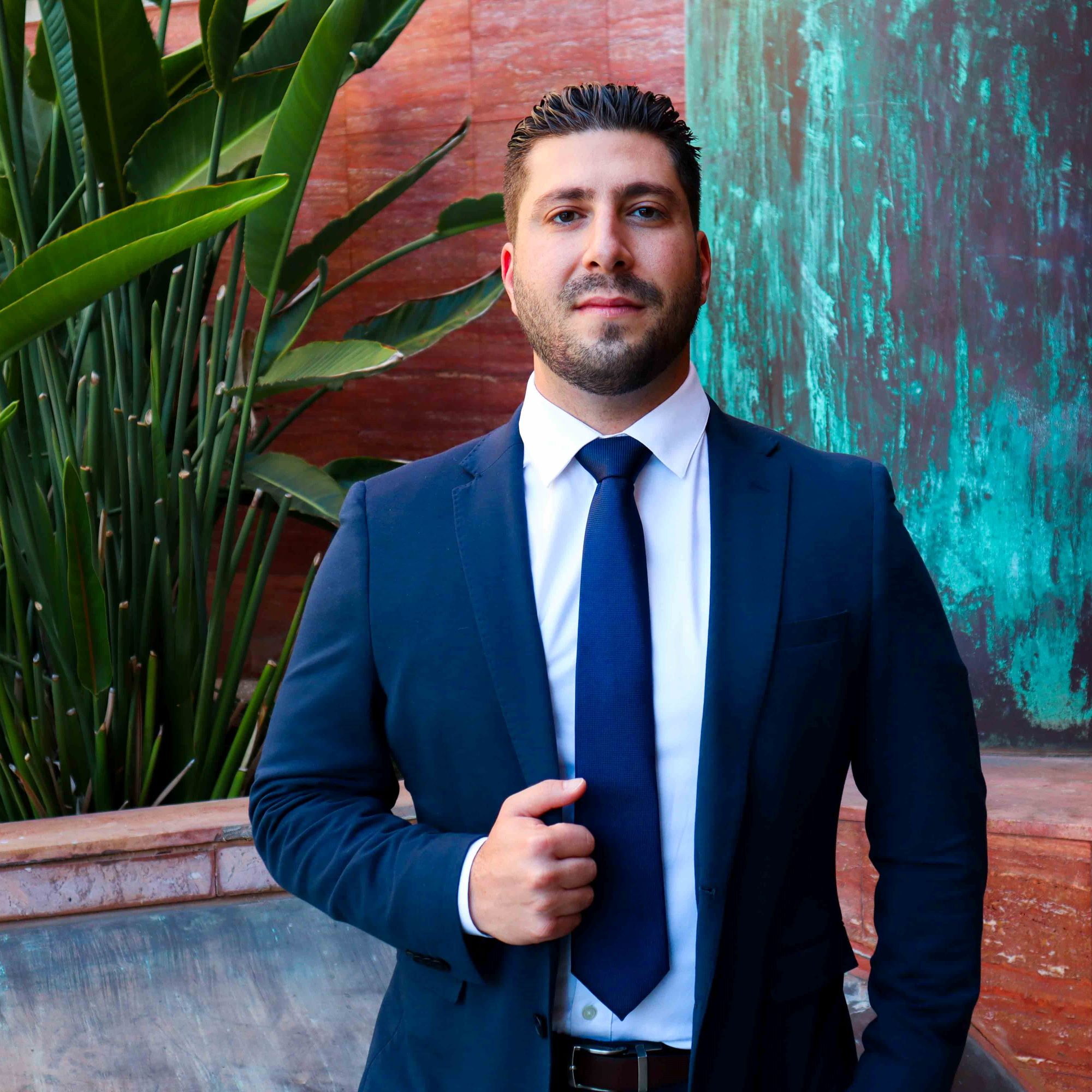
Written by Jonathan Aftalion, Esq. — Founding Attorney, Aftalion Law Group
(UCLA BA, Wisconsin JD, Witwatersrand LLM, dual CA + NY licensure, Super Lawyers Rising Stars)
2025 was a turbulent year for immigrant youth. In June, the federal government ended deferred action for special immigrant juvenile status recipients, stripping thousands of young people of their protection from removal and work authorization. In November, a federal court ordered those protections restored.
The legal battle is ongoing, the policy landscape is unstable, and families in California and New York are caught in the middle. If your child may qualify for SIJS, or you have a petition pending, understanding where things stand in 2026 is urgent.
At Aftalion Law Group, we represent SIJS youth in both Los Angeles and New York. Here is what you need to know right now.
What this blog covers:
- What special immigrant juvenile status is, and who qualifies
- The June 2025 rescission of deferred action and what it meant
- The November 2025 court ruling in A.C.R. v. Noem that restored protections
- How California and New York courts handle SIJS cases
- Steps families should take right now
What Is Special Immigrant Juvenile Status?
Special immigrant juvenile status is a humanitarian protection for immigrant youth who have been abused, abandoned, or neglected by one or both parents. To qualify, a U.S. state court must first issue an order finding that the child cannot safely be reunified with at least one parent, and that returning to their home country is not in their best interest.
Once USCIS approves the Form I-360 petition, the youth becomes eligible to apply for a green card through the EB-4 visa category. Because of severe visa backlogs, most SIJS recipients wait years before a visa number becomes available and they can actually apply for permanent residence.
To be eligible, the youth must:
- Be under 21 years old and unmarried
- Be physically present in the United States
- Have a qualifying court order from a state juvenile court (in California, a Superior Court; in New York, Family Court or Surrogate’s Court)
- Demonstrate that reunification with at least one parent is not viable due to abuse, abandonment, or neglect
What Happened in 2025: The Rescission and the Court Ruling
Since December 2022, USCIS has automatically considered deferred action for SIJS youth waiting on visa backlogs. Deferred action is not a legal status, but it protects youth from removal and allows them to obtain work authorization while waiting for their priority date to become current.
On June 6, 2025, USCIS abruptly rescinded that policy, ending deferred action without warning. Youth with approved SIJS petitions but no visa number suddenly had no deportation protection. Some were detained by ICE, including a New York high school graduate held in Louisiana for nearly three months before a federal judge ruled his detention unlawful.
On November 19, 2025, Judge Eric Komitee of the Eastern District of New York issued a stay in A.C.R. v. Noem, blocking the rescission and ordering USCIS to resume deferred action under the 2022 policy. The court found the government acted unlawfully by ignoring reliance interests and failing to justify the reversal. As of 2026, the 2022 policy is back in effect, but the underlying litigation remains unresolved.
How California and New York Handle SIJS Cases
SIJS requires a state court order before USCIS can adjudicate the federal petition, so the process varies by state. Families in Aftalion Law Group’s two primary markets navigate different court systems, and knowing which court to approach is essential.
California
In California, SIJS orders are typically issued by the Superior Court in the county where the child lives. The court must find dependency, guardianship, or custody jurisdiction and determine that reunification with at least one parent is not viable and that returning to the home country is not in the child’s best interest. California courts are experienced in making these findings for immigrant youth.
New York
New York Family Court and Surrogate’s Court both have jurisdiction to issue SIJS orders depending on the circumstances. New York extends juvenile jurisdiction to age 20, meaning youth remain eligible up to their 21st birthday. With the November 2025 ruling coming out of the Eastern District of New York, the legal climate here is particularly active for SIJS cases right now.
What Families Should Do Right Now
If you have a child who may qualify, or already has an approved SIJS petition, these steps matter:
- File Form I-360 before the child turns 21. This deadline cannot be extended under almost any circumstances.
- If the petition was approved between June and November 2025, consult an attorney immediately. The court ruling may entitle those youth to deferred action consideration that they were denied.
- Do not ignore any USCIS notices or ICE contact. Respond promptly and with legal support.
- Keep your attorney updated on any changes to the child’s court case, address, or family situation.
FAQ
Technically, yes, but the state court process, the USCIS petition, and current policy instability all require careful navigation. A mistake in the court order or a missed deadline can result in denial. Legal representation significantly improves outcomes for SIJS youth.
An approved Form I-360 alone does not protect against deportation. Deferred action, restored by the November 2025 court ruling, provides that protection while the youth waits for a visa number. Because the underlying litigation is ongoing, having current legal guidance is essential.
No. Federal law bars SIJS recipients from petitioning for the parents who abused, abandoned, or neglected them, even after obtaining a green card or U.S. citizenship. This restriction applies regardless of which parent caused harm.
Protect Your Child’s Future Before the Window Closes
The SIJS process is time-sensitive, state-specific, and legally complex even without the policy turbulence of 2025. For families in Los Angeles and New York, having an attorney who knows both the state court process and the federal petition requirements is the difference between a protected future and a missed deadline that cannot be undone.
Contact Aftalion Law Group at (424) 270-6767 to schedule your free consultation. Our attorneys are ready to evaluate your child’s eligibility, guide you through the state court process, and file a petition that protects their status. Visit our Special Immigration Juvenile Status practice area page to learn more.
Recent Blogs
Categories
Essential Ideas
- Why Cost Transparency Matters in Adjustment of Status
- What Adjustment of Status Is — and Why It Comes With Multiple Costs
- Core USCIS Filing Fees Applicants Should Expect
- Optional but Common USCIS Forms That Increase Total Cost
- Mandatory Medical Exam Costs and Timing Considerations