


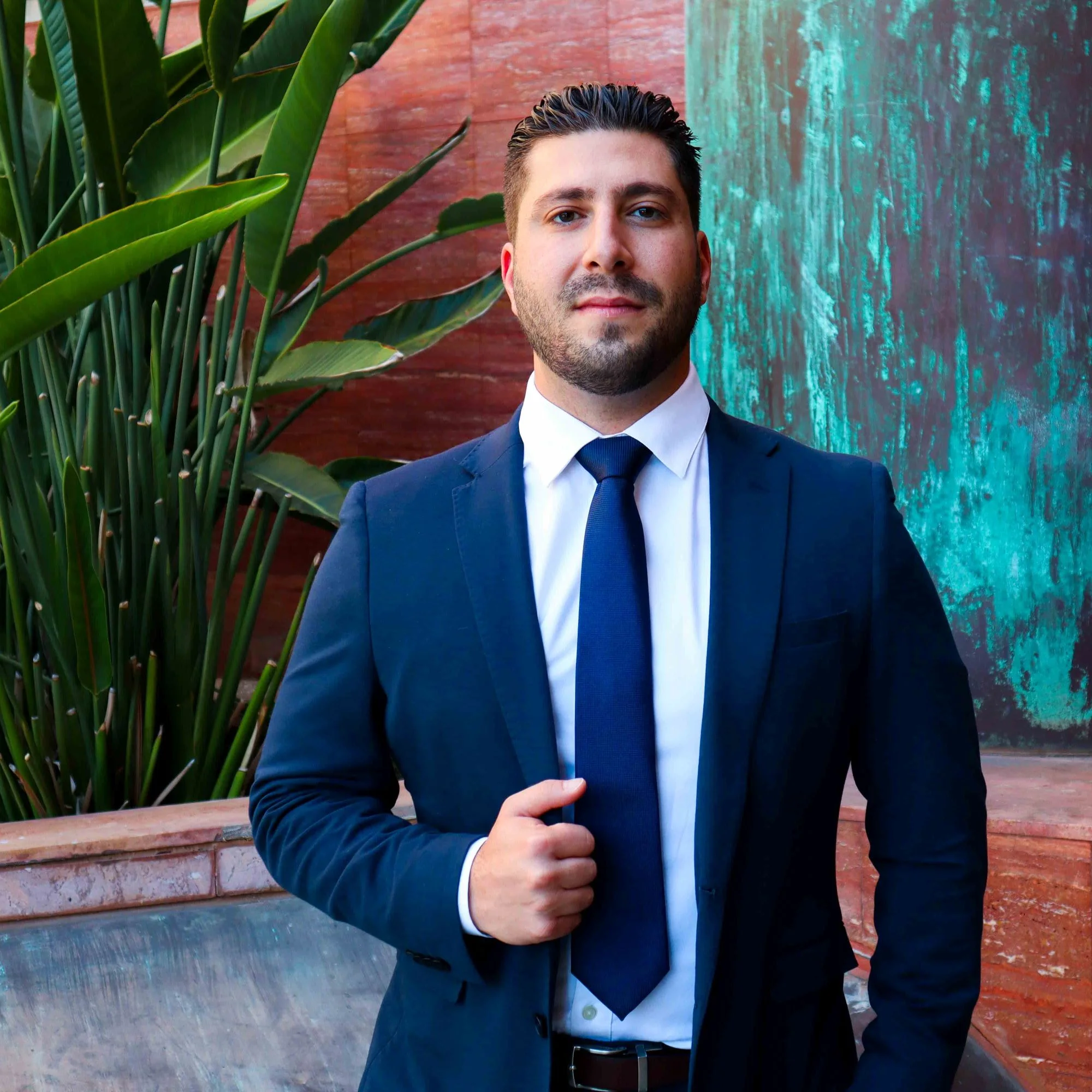
Written by Jonathan Aftalion, Esq. — Founding Attorney, Aftalion Law Group
(UCLA BA, Wisconsin JD, Witwatersrand LLM, dual CA + NY licensure, Super Lawyers Rising Stars)
In this blog, we'll explore:
Key Point:
-
Sanctuary cities are jurisdictions that limit their cooperation with federal immigration authorities, including ICE.
-
In 2026, the Trump administration launched an aggressive campaign to challenge sanctuary city policies through funding threats, federal lawsuits, and direct ICE operations conducted without local cooperation.
-
Immigrants living in sanctuary jurisdictions should understand that these policies offer limited protection and that legal representation remains the most effective defense.
The term “sanctuary cities” has become one of the most politically charged phrases in the immigration debate. At Aftalion Law Group, we help immigrants understand what these policies actually protect and, just as importantly, what they do not. To supporters, sanctuary policies protect immigrant communities from unjust deportation while preserving trust between local law enforcement and the residents they serve. To the Trump administration, they represent unlawful obstruction of federal immigration law. In 2026, that conflict has moved from political rhetoric to direct action, with ICE expanding operations in sanctuary jurisdictions and the federal government escalating its legal and financial pressure on cities and counties that refuse to cooperate.

Why Do They Have Sanctuary Cities?
Sanctuary cities exist because local governments, law enforcement agencies, and community leaders have determined that cooperation with federal immigration enforcement comes at a high cost to public safety and community trust.
The core argument for sanctuary city policies is practical rather than political. When immigrants fear that any contact with local police could result in deportation, they stop reporting crimes, cooperating with investigations, and seeking help from public services. Victims of domestic violence, robbery, or assault avoid calling the police. Witnesses to crimes stay silent. The result is reduced public safety for everyone in the community, including U.S. citizens.
Local law enforcement agencies in cities including Los Angeles, Chicago, and New York have historically argued that their primary mission is public safety within their jurisdiction, not federal immigration enforcement. Entangling local police with ICE operations, these agencies contend, undermines the relationship between police and immigrant communities that effective policing depends on.
Research from the American Immigration Council has consistently found that sanctuary jurisdictions have lower crime rates on average than non-sanctuary areas, challenging the claim that limiting ICE cooperation leads to increased public danger.
Beyond public safety, sanctuary policies reflect a legal principle: states and localities generally cannot be compelled by the federal government to enforce federal law. This anti-commandeering doctrine, rooted in the Tenth Amendment, has been upheld by federal courts in challenges to sanctuary policies. California’s SB 54, known as the California Values Act, codifies this principle statewide and limits how California law enforcement agencies can cooperate with ICE detainer requests.
When Did Sanctuary Cities Start in America?
The concept of sanctuary in American cities predates the modern immigration debate by decades. The origins of sanctuary city policies in the United States trace back to the 1980s, when religious congregations and communities began offering physical protection to Central American refugees fleeing civil wars in El Salvador and Guatemala who were being denied asylum by the Reagan administration.
In 1979, the Los Angeles Police Department issued Special Order 40, which prohibited LAPD officers from initiating contact with someone solely to inquire about their immigration status. This predates the modern sanctuary movement and is considered one of the earliest formal sanctuary-style policies adopted by a major U.S. law enforcement agency.
Throughout the 1980s and 1990s, the sanctuary movement expanded beyond churches into city councils and county governments. San Francisco passed one of the first formal sanctuary ordinances in 1989. Other cities followed throughout the 1990s and 2000s, particularly following the expansion of federal immigration enforcement programs after September 11, 2001, and the introduction of Secure Communities in 2008, a program that shared fingerprint data between local jails and ICE.
The sanctuary city movement accelerated significantly during the first Trump administration from 2017 to 2021 and has intensified again in 2026 as the administration has renewed its campaign against jurisdictions that limit ICE cooperation.
Which U.S. Cities Have the Most Migrants?
The cities with the largest immigrant populations in the United States are also, in many cases, the cities where sanctuary policies have the deepest roots and face the most direct pressure from the Trump administration.
Los Angeles, California has the largest foreign-born population of any U.S. city in absolute numbers. Approximately one-third of Los Angeles residents were born outside the United States. The city and Los Angeles County maintain significant limitations on ICE cooperation, making it one of the primary targets of the Trump administration’s pressure campaign against sanctuary cities.
New York City, New York has a foreign-born population of approximately three million, representing roughly 37 percent of the city’s total population. New York City has maintained sanctuary policies for decades and has faced significant federal pressure, including threats to withhold federal funding.
Chicago, Illinois, has a large and diverse immigrant population and has been a focal point of ICE operations in 2026. ICE has begun targeted immigration operations in Chicago that have drawn national attention and significant community response.
Houston, Texas, and Miami, Florida, also have among the largest immigrant populations in the country, though local sanctuary policies in Texas cities have come under particular pressure from both the Trump administration and the state of Texas, which has enacted laws requiring local cooperation with ICE.
The Department of Justice has issued guidance on the legal basis for federal challenges to sanctuary policies. Immigrants in California can find location-specific information and resources on the California immigration lawyer page, which includes information relevant to ICE operations in the state. Aftalion Law Group represents immigrants in Los Angeles and throughout California, including in the cities most affected by ICE enforcement.
How the Trump Administration Is Challenging Sanctuary Cities in 2026
The Trump administration has pursued multiple strategies to pressure sanctuary cities and counties into cooperation with the Trump deportation plan.
Federal funding threats. The administration has moved to withhold federal grants and funding from jurisdictions that maintain sanctuary policies. In early 2026, several major cities received notices that certain federal grants would be conditioned on compliance with ICE detainer requests and information-sharing requirements. The question of whether states get federal funding for immigrants cut off as leverage in this way has been contested in federal courts, with results varying by jurisdiction.
Direct ICE operations. Rather than relying on local law enforcement cooperation, ICE has dramatically increased direct federal enforcement operations in sanctuary jurisdictions. ICE raids in California, conducted without the coordination of state or local police, have resulted in hundreds of arrests in the Los Angeles metropolitan area and the Central Valley.
Federal lawsuits. The Department of Justice has filed or threatened lawsuits against cities and counties whose sanctuary policies it considers in conflict with federal immigration law. Courts have been divided on the extent to which the federal government can compel local cooperation.
Pressure on law enforcement leadership. The administration has also applied political pressure on mayors, police chiefs, and county sheriffs to change their policies, and in some cases has targeted individual officials for investigation.
The ICE and Palantir ImmigrationOS surveillance program has given federal agents new tools to locate and track immigrants in sanctuary cities without needing local law enforcement cooperation, effectively reducing the operational protection that sanctuary policies once provided.
What Sanctuary Policies Actually Protect and What They Do Not
Immigrants living in sanctuary jurisdictions need to understand the limits of what these policies offer.
What sanctuary policies generally do:
- Prohibit local police from asking about immigration status during routine encounters
- Limit or refuse compliance with ICE civil detainer requests for individuals not charged with a crime
- Restrict the sharing of information about an individual’s release date from local jail with ICE
- Prevent local resources from being used to enforce federal immigration law
What sanctuary policies do not do:
- Prevent ICE from conducting independent enforcement operations within the city or county
- Protect individuals from arrest by federal agents who have a warrant or probable cause
- Provide any legal immunity from immigration enforcement
- Override federal law or prevent federal agents from operating in the jurisdiction
Sanctuary city policies are a layer of local protection, not a guarantee of safety from federal enforcement. The most effective protection for any immigrant facing the current enforcement environment is legal representation and a clear understanding of their individual immigration status and options.
If you are in removal proceedings or have concerns about your status, the removal defense page and the DACA and asylum practice pages cover the specific options available depending on your situation. For individuals whose immigration case has been dismissed, the post on understanding immigration case dismissal explains what that means and what options remain.
Sanctuary Policies Have Limits. Aftalion Law Group Does Not.
Living in a sanctuary city does not make you safe from ICE enforcement under the Trump immigration strategy. What protects you is knowing your rights, having a legal plan, and working with an immigration attorney who understands both the law and the current enforcement environment. Aftalion Law Group represents immigrants in Los Angeles and across the United States who are navigating the uncertainty of 2026 immigration policy.
Schedule your free consultation today and speak with an immigration attorney who can assess your specific situation and help you prepare.
Frequently Asked Questions
The federal government has attempted to withhold funding from sanctuary cities, but courts have placed significant limits on this power. Under the Tenth Amendment and the anti-commandeering doctrine, the federal government generally cannot force states and localities to enforce federal immigration law, and it cannot impose unrelated funding conditions to coerce cooperation. Litigation over specific funding cuts continues, with results varying by jurisdiction. Aftalion Law Group monitors these developments as they affect immigrant communities in California.
Living in a sanctuary city does not change the substance of your immigration case or the federal immigration laws that apply to you. Sanctuary policies affect how local law enforcement interacts with ICE, not how USCIS or the immigration courts decide your case. Your eligibility for relief, your filing requirements, and your obligations remain the same regardless of where you live. Aftalion Law Group represents clients in sanctuary and non-sanctuary jurisdictions alike.
Yes. Sanctuary policies limit local cooperation with ICE, but they do not prevent federal agents from operating within a city or county. ICE conducts independent enforcement operations in sanctuary cities, including arrests at homes, workplaces, and in public. The protection a sanctuary city offers is limited to local resources and cooperation, not a barrier against federal enforcement. Knowing your rights and having legal representation from Aftalion Law Group is the most reliable protection.
A sanctuary city is a municipality or county that limits its cooperation with federal immigration enforcement through local ordinances or police department policies. A sanctuary state extends similar limitations statewide through state law. California is a sanctuary state under SB 54, the California Values Act, which limits cooperation between all state and local law enforcement agencies and ICE. Aftalion Law Group helps clients understand how both city and state policies apply to their situation.
It depends on the specific sanctuary policy and the circumstances. Most sanctuary policies limit, but do not eliminate, information sharing with ICE. Many policies still allow cooperation when an individual has been convicted of serious crimes. The exact limits vary by jurisdiction, and California’s SB 54 sets statewide rules on when local agencies can and cannot share information. Aftalion Law Group can explain how the policies in your specific area apply to you.
The same constitutional rights apply regardless of whether you live in a sanctuary city. Do not open the door without a judicial warrant signed by a judge; remain silent, do not consent to a search, and contact an immigration attorney immediately. Living in a sanctuary city does not change your rights or replace the need for legal representation. Aftalion Law Group is available to assist immigrants facing ICE enforcement throughout California.
Recent Blogs




Categories
Author Bio: Jonathan Aftalion is the founder of Aftalion Law Group, an immigration law firm based in Los Angeles, California. He represents individuals, families, and employers across immigration practice areas including removal defense, asylum, DACA, and family-based immigration.