
Se habla español

A dismissed immigration case means EOIR has stopped actively pursuing your removal — but it does not grant you a Green Card, a visa, or any legal status, and it can stop your asylum work-permit clock or shift your case’s jurisdiction back to USCIS. In the current 2026 legal climate, receiving a notice that your immigration case has been dismissed is no longer a simple “win.” While it means the Executive Office for Immigration Review (EOIR) is no longer actively seeking your removal, it often triggers a complex set of new challenges regarding your legal status and work authorization.

If you have received a dismissal notice, it is vital to act quickly. Understanding the asylum case dismissed meaning in the context of recent ICE enforcement priorities is the only way to ensure you don’t lose your right to remain in the U.S. long-term.

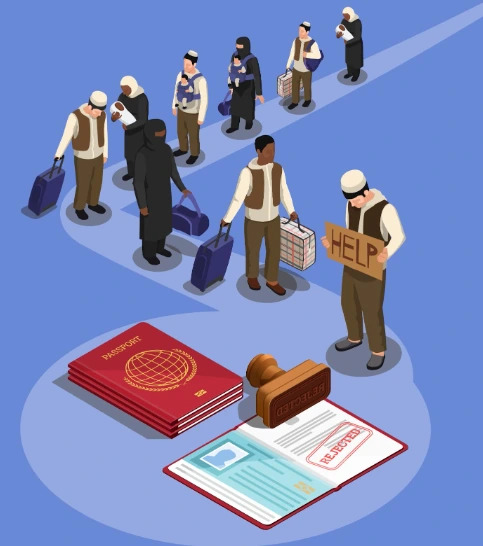
Isometric artwork showing diverse people queuing for passports, representing the journey of understanding immigration procedures. Understanding Immigration Case Dismissal
Jonathan

Written by Jonathan Aftalion, Esq. — Founding Attorney, Aftalion Law Group

(UCLA BA, Wisconsin JD, Witwatersrand LLM, dual CA + NY licensure, Super Lawyers Rising Stars)

What Does it Mean When an Immigration Case is Dismissed in 2026?

To put it simply, what does it mean when an immigration case is dismissed? It means the government has chosen to “terminate” or “dismiss” the removal proceedings against you.

However, in 2026, this is frequently a result of Prosecutorial Discretion (PD). ICE may dismiss cases to clear court backlogs, but this does not grant you a Green Card or a visa. It simply means you are no longer in “active” deportation. This transition requires a specific removal defense strategy to ensure you have an alternative path to legal residency.

What Happens When an Asylum Case Is Dismissed?

For those with pending asylum applications, a dismissal can be alarming. When an asylum case is dismissed, the following typically happens:

  • The Clock Stops: Your “asylum clock” for work authorization may stop or be terminated.

  • Jurisdiction Shifts: Your asylum claim may move from the Immigration Court back to USCIS.

  • Status Uncertainty: You are no longer under the protection of the court, but you may not have an “active” status to stay in the country.

To avoid losing your ability to work legally, you must coordinate with an experienced immigration lawyer to refile or transfer your application immediately.

Why Are ICE Case Dismissals Increasing in 2026?

As of mid-2026, ICE has issued updated memos focusing resources on high-priority targets. If your case was dismissed, it likely means you are considered “low priority.” While this sounds positive, it often leaves individuals in a “non-status” category.

Without a court case, you cannot apply for certain types of relief, like Cancellation of Removal. It is essential to check if you qualify for other family-based visas or employment-based options to secure a permanent future.

What Should I Do After My Case Is Dismissed?

  1. Secure Your Work Permit: Verify if your EAD (Work Permit) is still valid. If your case was dismissed, your current permit may not be renewable under the old case number.

  2. File with USCIS: If you have an asylum claim, ensure it is properly lodged with the USCIS Asylum Office.

  3. Explore Administrative Closure: In some 2026 cases, “Administrative Closure” is safer than a full dismissal because it keeps the case “on the shelf” without terminating your underlying benefits.

  4. Update Your Address: Even if your case is dismissed, you must keep your address updated with the government to receive future ICE updates.

FAQ

Yes. A dismissal is often “without prejudice,” meaning the government can refile charges if policy changes or if you are arrested for a new violation. For personalized assistance, contact Aftalion Law today.

No. A dismissal only stops the deportation process. You must still find an independent path to Lawful Permanent Residency. Our about us page details our history of helping clients navigate this exact transition.

If you have an I-601A waiver in progress, a case dismissal is often a required step before you can proceed to consular processing.