
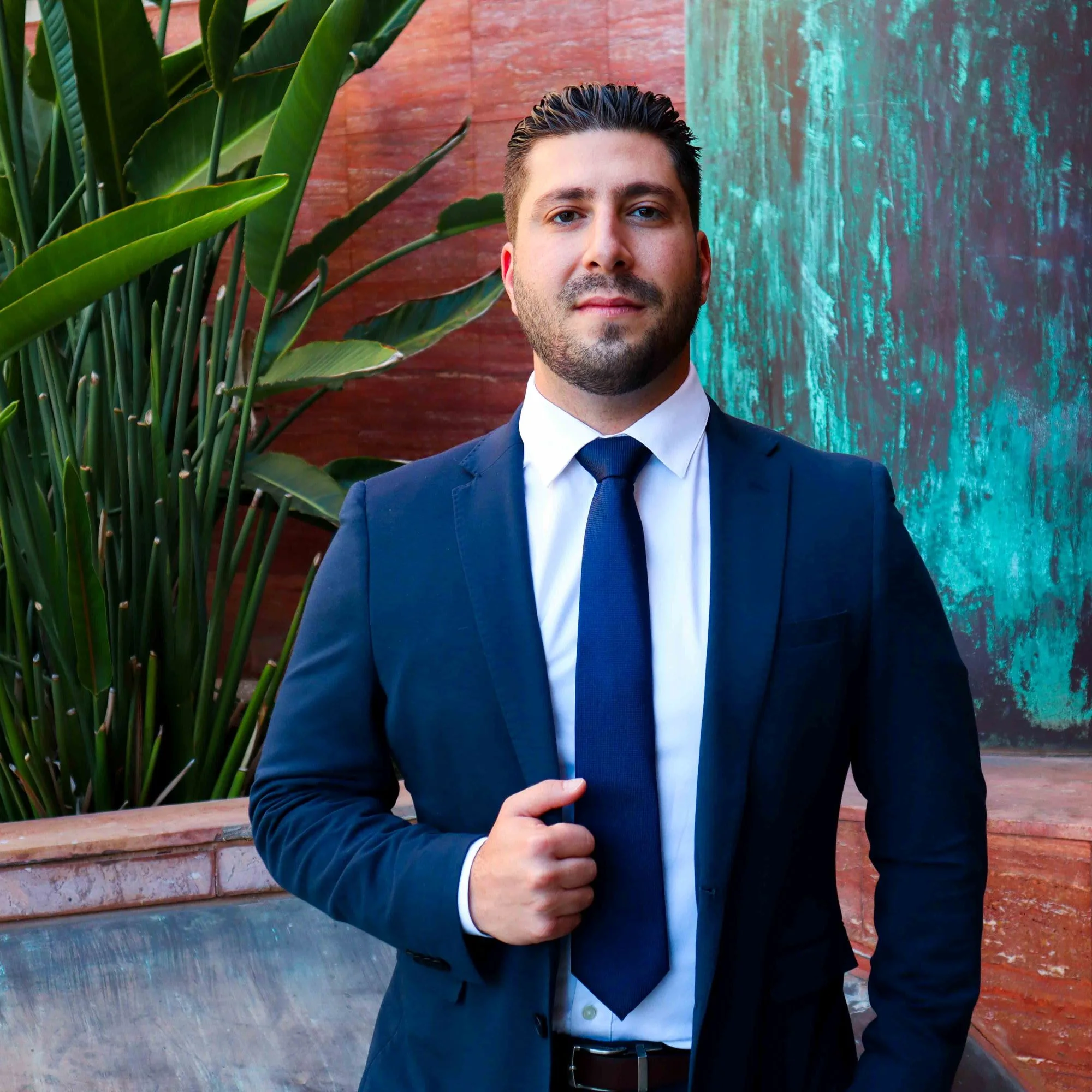
Written by Jonathan Aftalion, Esq. — Founding Attorney, Aftalion Law Group
(UCLA BA, Wisconsin JD, Witwatersrand LLM, dual CA + NY licensure, Super Lawyers Rising Stars)
Key Point
- A provisional unlawful presence waiver (Form I-601A) lets certain people who are inside the United States ask the government to forgive the 3 year or 10 year reentry bar before they travel abroad for their immigrant visa interview.
- To qualify you generally need an approved immigrant visa petition, must be physically present in the U.S. and at least 17 years old, and must show that a U.S. citizen or lawful permanent resident spouse or parent would face extreme hardship.
- Form I-601A covers unlawful presence only, so other grounds of inadmissibility such as fraud or certain criminal issues require the separate Form I-601 and change your options.
If you or someone you love has spent time in the United States without lawful status, you may feel uncertain about your ability to live, work, or reunite with family here. The process can feel overwhelming, especially when terms like provisional waiver of unlawful presence come up. You are not alone. Each year many immigrants face this same challenge, and understanding your options is the first step toward a lawful path in 2026.
At Aftalion Law Group we have extensive experience helping immigrants navigate complex U.S. immigration laws. This guide explains what the I-601A provisional waiver is, who may be eligible, how it differs from the Form I-601, and what to expect during the process. Our goal is clear, educational information so you can make informed decisions for your future.
What we are seeing in 2026
I-601A processing times remain long and vary widely by service center, so we tell clients to expect many months and to plan any international travel only after the provisional waiver is approved. The most common reason a case stalls is a thin extreme hardship record, so we invest early in medical, financial, and country condition documentation. We also see applicants confuse the I-601A with the I-601, and confirming which form your case actually needs at the outset prevents costly detours.
What Is Unlawful Presence?
Unlawful presence is time spent in the United States without lawful immigration status, and it is the specific problem the I-601A waiver is designed to address. It can build up when someone stays past the period allowed on a visa, enters without inspection, or otherwise falls out of status. Accumulating unlawful presence can lead to serious consequences, including being barred from returning to the United States after you depart.
The Consequences of Unlawful Presence
The consequences depend on how long you were unlawfully present before leaving the country, and they are triggered by departure.
- More than 180 days but less than one year of unlawful presence, followed by departure, can trigger a 3 year bar on returning.
- One year or more of unlawful presence, followed by departure, can trigger a 10 year bar on returning.
These bars can significantly affect your ability to obtain a visa or permanent residence later, which is exactly why the provisional waiver exists.
What Is the I-601A Provisional Unlawful Presence Waiver?
The I-601A provisional unlawful presence waiver is a request to forgive the 3 year or 10 year reentry bar in advance, so you can file it while you are still in the United States rather than after you travel abroad. Because the waiver is decided before you leave for your consular interview, an approval reduces the risk of a long, uncertain separation from your family. It is filed on Form I-601A with USCIS, and it fits within the broader path our guide on adjustment of status and consular processing explains in detail. You can learn more about how our team handles these cases on our waivers of inadmissibility page.
How Form I-601A Differs From Form I-601
The key difference is timing and scope: Form I-601A is filed inside the United States and covers unlawful presence only, while Form I-601 is typically filed when other grounds of inadmissibility are involved or when the provisional process is not available. If your case involves fraud, a prior removal order, or certain criminal history, the I-601A route generally will not apply and Form I-601 or another remedy may be required. Confirming the correct form early is one of the most important steps in the whole process.
Who Can Apply for the I-601A Waiver?
You can apply for the I-601A waiver when unlawful presence is your only ground of inadmissibility and you meet the core eligibility requirements below. Eligibility is closely tied to a qualifying family relationship.
- You are physically present in the United States and at least 17 years old.
- You have an approved immigrant visa petition, such as an approved Form I-130. Many applicants reach this stage through a marriage based green card petition.
- You can show that a U.S. citizen or lawful permanent resident spouse or parent would suffer extreme hardship if you are denied admission.
- Unlawful presence is your only ground of inadmissibility, since issues like fraud or certain criminal records disqualify the provisional process.
Understanding Extreme Hardship
Extreme hardship means more than the ordinary sadness or inconvenience of family separation, and it is the heart of a successful waiver. Immigration authorities weigh factors such as medical conditions that require ongoing care, financial difficulties caused by separation, emotional and psychological impact on the qualifying relative, educational challenges for children, and any unique circumstances that make life exceptionally difficult. Thorough documentation is essential to show the true extent of the hardship.
The I-601A Application Process
The application process follows a clear sequence, though timelines vary.
- Confirm eligibility, including the qualifying relative and the approved immigrant visa petition.
- Complete Form I-601A with your personal information, immigration history, and supporting documentation.
- Gather supporting evidence, such as medical records, financial documents, and letters that demonstrate extreme hardship.
- Submit the application to USCIS and pay the required government filing fee.
- Wait for review, which can take many months, and respond promptly if USCIS requests more information.
Once the waiver is approved, you will still attend a consular interview abroad, so it helps to prepare early with our overview of common family based visa interview questions in California. For current filing fees and form editions, confirm the details on the official USCIS Form I-601A page before you file, since fees and requirements are updated periodically.
Important Considerations
A few points are worth keeping in mind before you file.
- Not every application is approved, and decisions are made case by case.
- Filing a waiver does not by itself guarantee entry into the United States.
- Accuracy and completeness are critical, because errors can cause delays or denials.
Alternatives and Other Forms of Relief
Depending on your situation, other forms of relief may be available beyond the I-601A. Certain humanitarian programs, cancellation of removal, or adjustment of status may offer a solution, and each has its own eligibility rules and procedures. If a prior removal order is part of your history, our article on I-212 waiver approval rates explains a related remedy. An attorney can help you compare these paths against the provisional waiver.
Common Misconceptions
Many people misunderstand the waiver process, and a few myths come up again and again. Some believe that having a U.S. citizen child automatically qualifies them, but the qualifying relative for this waiver is generally a spouse or parent, not a child. Others assume that someone can guarantee approval, which is never true, since every case turns on the rules and the strength of the documentation.
Trusted Resources
For official guidance, review the USCIS Form I-601A page and the USCIS resources on unlawful presence and inadmissibility, along with the U.S. Department of State information on consular processing and immigrant visa interviews.
FAQ
You generally qualify when you are physically present in the U.S., at least 17 years old, have an approved immigrant visa petition, and can show extreme hardship to a U.S. citizen or lawful permanent resident spouse or parent, with unlawful presence as your only ground of inadmissibility. An attorney can confirm whether your specific facts fit the provisional waiver.
Processing times vary by USCIS service center and workload and often run many months, so it is best to check current USCIS estimates and to avoid international travel until the waiver is approved. Building a strong, complete application from the start helps avoid delays from requests for evidence.
Yes, an I-601A application can be denied, because approval is not guaranteed and each case is decided on its own facts and documentation. A thorough extreme hardship record and an accurate, complete filing give your case its best chance.
Take the First Step Toward Protecting Your Future
If you or someone you love is facing a reentry bar because of unlawful presence, you do not have to navigate it alone. At Aftalion Law Group we help families understand their options and build strong provisional waiver cases. Call us today at (424) 270-6767 to schedule a consultation and learn how we can help protect your future.
This article is provided for general information only and is not legal advice. Reading it does not create an attorney client relationship. Immigration law changes often and every case is different, so speak with a qualified attorney about your specific situation.
Recent Blogs
Categories
Essential Ideas
- Unlawful presence can trigger reentry bars
- Waivers may allow lawful return
- Extreme hardship must be proven
- Family ties affect eligibility
- Proper documentation is critical