Visa sponsorship, in which a company supports a foreign employee to live and work legally in the United States, is a key part of obtaining a work visa. Understanding visa sponsorship opens new opportunities for Californians navigating the job market. This guide explains the fundamentals of visa sponsorship for employment in California, including the costs and requirements of popular visa types such as H-1B and H-2B.

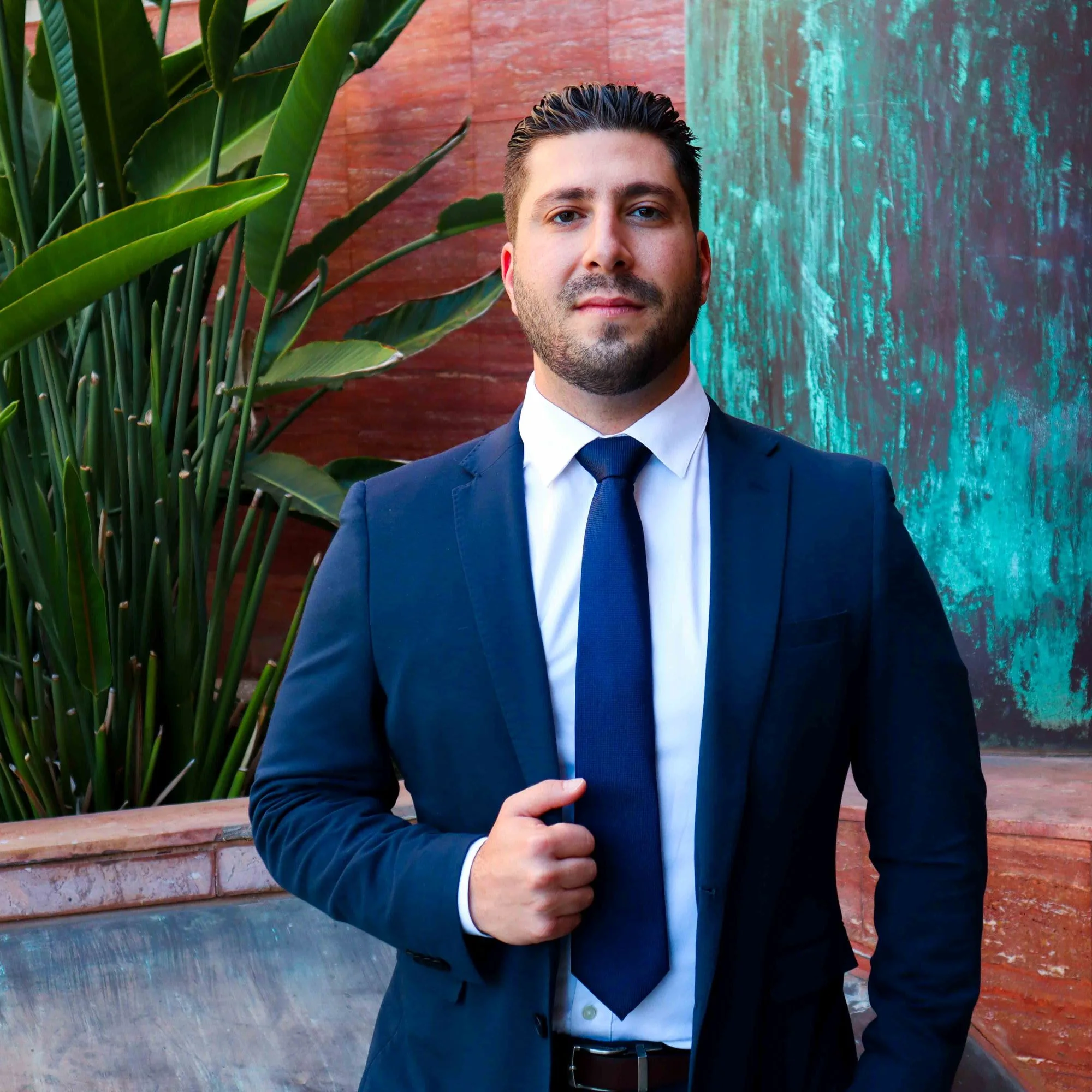
Written by Jonathan Aftalion, Esq. — Founding Attorney, Aftalion Law Group
(UCLA BA, Wisconsin JD, Witwatersrand LLM, dual CA + NY licensure, Super Lawyers Rising Stars)
In this blog, we'll explore:
What is employment visa sponsorship, and who pays for it?
Visa sponsorship is when a U.S. employer petitions for a foreign worker to fill a role, filing the required paperwork with the Department of Labor and USCIS. The employer generally pays the core petition and, for H-1B cases, the mandatory filing fees; the worker typically covers personal costs such as the visa application and travel.
Why Is Visa Sponsorship Important?
California’s economy relies on diverse skills. Industries such as technology, healthcare, and entertainment depend on foreign expertise. Sponsoring a visa helps companies fill critical skill gaps and allows foreign workers to live and work in one of the nation’s most vibrant regions. Understanding the obligations of visa sponsorship allows both employers and job seekers to navigate the application process effectively.
Types of Visa Sponsorships in California
Employers can sponsor foreign workers through several visa types. The H-1B visa for highly skilled professionals and the H-2B visa for temporary non-agricultural workers are the most commonly used.
Knowing the H-1B Visa: Fees and Requirements
The H-1B visa is for highly skilled workers in technology, engineering, medicine, and other STEM fields. California companies, especially in Silicon Valley and Los Angeles, rely on the H-1B program to attract top talent.
H-1B Visa Costs to Employer
- Filing Fee (Form I-129): $780 by paper or $730 online ($460 for small employers and nonprofits).
- Asylum Program Fee: $600 ($300 for small employers, $0 for nonprofits).
- Registration fee: $215 per worker entered in the H-1B lottery.
- ACWIA Training Fee: $750 (employers with 25 or fewer full-time employees) or $1,500 (26 or more). Universities and some nonprofits are exempt.
- Fraud Prevention and Detection Fee: $500 (first H-1B petition for a worker, or a change of employer).
- Premium Processing (optional): $2,965
Some new H-1B petitions for workers outside the U.S. also require a $100,000 payment under a 2025 Presidential Proclamation; ask us whether it applies to you.
Fees as of October 2026 (USCIS Form G-1055).
H-2B Visa Employer Requirements
The H-2B visa supports temporary non-agricultural employment, commonly used in California’s hotel, construction, and tourism sectors. It allows companies to hire foreign workers when there are not enough U.S. workers available.
Requirements for Employers
- Temporary Need: Demonstrate the position is seasonal or temporary.
- Labor Certification: Obtain approval from the Department of Labor (DOL) to show hiring a foreign worker will not harm U.S. workers’ wages or conditions.
- Job Advertisement: Show that no qualified U.S. worker is available.
- Form I-129 Filing: Submit the petition to USCIS after DOL approval.
- Payment of Fees: $1,080 for named workers or $580 for unnamed workers (lower rates for small employers and nonprofits), plus a $150 fraud-prevention fee and the Asylum Program Fee.
The H-2B visa is a strong solution for temporary roles but requires careful planning and regulatory compliance.
Fees as of October 2026 (USCIS Form G-1055).
The Process of Visa Sponsorship for Employment in California
- Identifying the Need: The employer identifies positions requiring foreign workers.
- Filing the Petition: Submit Form I-129 with USCIS for H-1B or H-2B visas, including job and candidate details.
- Obtaining Approval: After approval, the worker applies for a visa at a U.S. consulate or embassy.
- Visa Interview: The worker verifies their credentials and the employment offer.
- Arrival in the U.S.: Once the visa is granted, the worker can travel to California and start employment.
Compliance with Labor and Immigration Laws
California employers must follow DOL and USCIS regulations after visa approval:
- Meet Prevailing Wage Requirements: Offer a genuine job that meets legal wage standards.
- Provide a Legitimate Job Offer: The position must be necessary for business operations.
- Maintain Work Authorization Compliance: Complete Form I-9 and follow E-Verify rules.
Failure to comply may result in fines, penalties, or loss of sponsorship privileges.
Potential Challenges in the Visa Sponsorship Process
- H-1B Visa Cap: Annual limits create competition; petitions may need to wait until the next fiscal year.
- USCIS Processing Delays: Administrative backlogs, security checks, and documentation requirements can extend timelines.
- Denial or Request for Evidence (RFE): Insufficient documentation may require additional proof of job necessity and candidate qualifications.
Alternatives to Employer-Sponsored Visas
- Employment-Based Green Cards (EB-2, EB-3): Sponsors provide permanent residency, but the process is longer than temporary visas.
- O-1 Visa: For individuals with extraordinary ability in the arts, sciences, business, education, or athletics; a U.S. employer or agent files the petition, but no labor certification or lottery is needed
- Investor Visas (E-2, EB-5): For entrepreneurs investing significant funds in a U.S. business.
Employer Responsibilities After Sponsorship Approval
- Job Role Compliance: Ensure the employee works in the designated position and location. Any major changes may require amended USCIS filings.
- Maintain Public Access Files (PAF): Keep employment records, pay documentation, and labor condition compliance for visas like H-1B.
- Cover Sponsorship Costs: Employers cannot require reimbursement for processing fees.
- Proper Termination: If the employee leaves before visa expiration, the employer may cover return transportation.
Legal guidance helps employers maintain compliance and reduce risks.
Frequently Asked Questions (FAQ)
Q: The process of visa sponsorship takes what length of time?
A: Visa type determines processing times. While premium processing cuts this period, H-1B visas can take several months.
Q: Can I seek for a work visa while in the United States?
A: Indeed, certain candidates are able to change their visa status without leaving the nation.
Q: How much does sponsorship of a visa cost?
A: The type of visa determines the costs; these include attorney fees, government filing fees, and employer requirements.
Q: What happens should my application for a visa be turned down?
A: You could be eligible to seek for another visa type or appeal the ruling.
Conclusion
Visa sponsorship is essential for California businesses seeking international talent and for foreign professionals pursuing U.S. employment. Understanding the process, compliance rules, and potential challenges allows employers and employees to navigate immigration law effectively.
Working with Aftalion Law Group ensures proper handling of visa sponsorship applications, reducing legal risk and avoiding delays. Contact Aftalion Law today for a free case evaluation for your business or visa sponsorship needs.
READ MORE ON OUR BLOGS




Categories
Essential Ideas
- What visa sponsorship means for employers and workers
- Common employment visa types in California
- Costs and requirements for H-1B and H-2B visas
- Steps in the employment visa sponsorship process
- Employer responsibilities after sponsorship approval