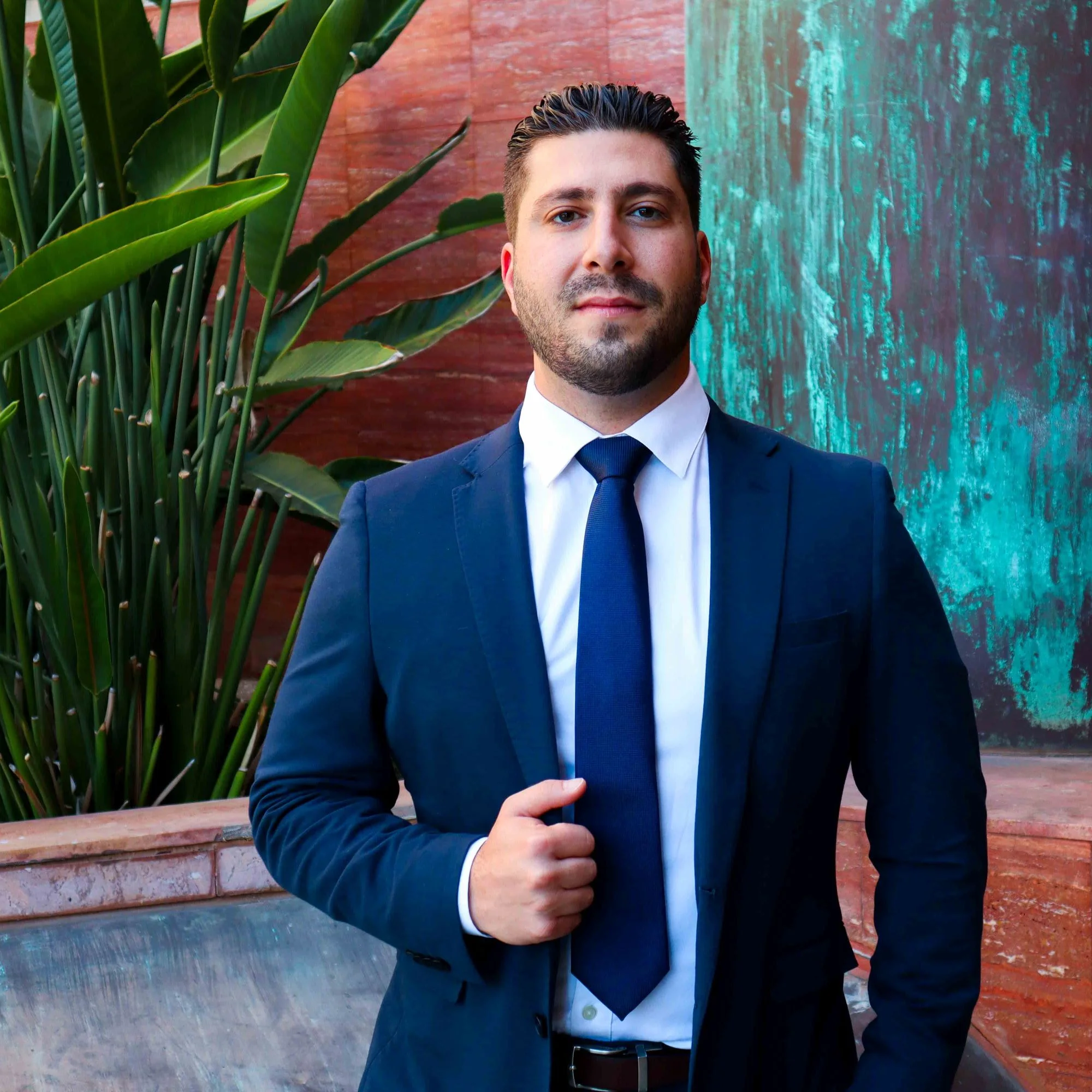
Written by Jonathan Aftalion, Esq. — Founding Attorney, Aftalion Law Group
(UCLA BA, Wisconsin JD, Witwatersrand LLM, dual CA + NY licensure, Super Lawyers Rising Stars)
In this blog, we'll explore:
If you are applying for VAWA from Los Angeles or New York, this guide explains who qualifies, what documents you need, and how long it currently takes. VAWA lets certain survivors of abuse petition for lawful status on their own, without their abuser’s knowledge or involvement. Understanding the 2026 requirements and the current timelines helps you file a strong, complete case.
Key Point:
- VAWA allows an abused spouse, child, or parent of a U.S. citizen or lawful permanent resident to self-petition confidentially, without the abuser’s knowledge, regardless of gender.
- The legal eligibility requirements did not change in 2025 or 2026. What changed is how USCIS reviews evidence: it now expects stronger documentation and corroborating records, not just a personal statement.
- Current Form I-360 processing is long, roughly 46 to 49 months, with about 4 to 5 years total to a green card. Filing a complete, well-documented petition matters more than ever.
What Is VAWA and Who Qualifies?
VAWA, the Violence Against Women Act, allows certain noncitizens who have been abused by a U.S. citizen or lawful permanent resident to self-petition for lawful immigration status. It applies regardless of gender and is open to spouses, children, and, in some cases, parents. Its central protection is independence: survivors do not have to rely on their abuser to gain status, and the petition is confidential.
To qualify, you must:
- Be the spouse, child, or parent of a U.S. citizen or green card holder.
- Have suffered battery or extreme cruelty.
- Have lived with the abuser at some point.
- Demonstrate good moral character.
What Changed for VAWA in 2026?
This is where accuracy matters. The underlying VAWA eligibility requirements did not change, the law and regulations are the same. What changed is USCIS’s approach to evidence and discretion, through December 2025 policy manual updates:
- Stricter evidentiary expectations. USCIS now places heavier emphasis on detailed timelines, corroborating records, and specific objective proof, rather than relying on a personal declaration alone.
- More claimed discretion. The updated manual removed some helpful examples and expanded where USCIS says it can exercise discretion. Importantly, this does not raise the legal standard, and a well-supported petition can still rely on the statute, regulations, and case law.
- Deferred action reviews. Policy updates introduced tighter procedural review for the temporary protection from deportation that can apply while a self-petition is pending.
The practical takeaway: build a thoroughly documented case, and if evidence is limited, an attorney can still argue eligibility under the actual legal standard rather than the manual’s narrower framing.
How Long Does It Take for VAWA to Be Approved?
Processing times are long right now, and it is important to plan realistically. As of 2026:
- Form I-360 (the VAWA self-petition): roughly 46 to 49 months for most cases, driven by high filing volumes and staffing limits in the USCIS HART unit that handles these cases.
- Total to green card: about 4 to 5 years, once adjustment of status (Form I-485) is included.
- Prima facie determination: USCIS may issue an early Notice of Prima Facie Determination, which can provide interim protection while the case is reviewed.
These are long waits, which is exactly why a complete, well-organized petition matters, missing or inconsistent evidence can add delay through a Request for Evidence (RFE).
What Documents Will You Need?
A strong VAWA petition generally includes:
- Form I-360 (the VAWA self-petition)
- A detailed personal statement describing the abuse
- Identity documents (passport, ID)
- Proof of the qualifying relationship (marriage or birth certificates)
- Evidence of abuse (police reports, restraining orders, medical or hospital records, photos)
- Supporting letters from counselors, clergy, friends, or family
- Evidence of good moral character (such as police clearance letters)
- Proof you lived with the abuser (leases, utility bills)
Given the stricter 2026 evidentiary posture, organize these clearly and explain how each document supports your case.
Why Hire a Lawyer for Your VAWA Case?
VAWA cases are legally and emotionally complex, and no survivor should have to navigate this alone. An attorney can help gather and organize evidence, draft a compelling and detailed declaration, ensure every eligibility element is met, respond quickly to RFEs, and prepare you for the green card stage. Counsel is especially valuable now, because a lawyer can push back where the USCIS policy manual narrows a requirement and argue your eligibility under the statute and case law. An attorney can also build a “Plan B”, screening you for other relief, such as VAWA cancellation of removal, in case a petition is denied and referred to immigration court. Learn more on our VAWA applications page.
What We Are Seeing in Current Cases
By Jonathan Aftalion, Esq., Founding Attorney, Aftalion Law Group (UCLA BA, Wisconsin JD, Witwatersrand LLM, licensed in California and New York, Super Lawyers Rising Stars).
The hardest part of VAWA right now is the wait, and I want people to hear that honestly: these cases can take four to five years, and planning for that timeline is part of the strategy, not a reason to delay filing. The other shift is evidentiary. USCIS is leaning harder on documentation and giving the personal declaration less weight on its own, so the cases we build now are heavier on corroboration, records, letters, timelines, than they were a couple of years ago. What has not changed is the law itself, and that matters, because a well-supported petition can hold its ground against a narrower reading. If you are a survivor weighing whether to file, the confidentiality protection is real, and getting an early, thorough case together is the best thing you can do.
Final Thoughts and Legal Support from Aftalion Law Group
In summary, VAWA requirements in 2026 are more demanding on documentation and slower than it used to be, but the core protection, the ability to self-petition confidentially, remains fully intact. If you are applying from Los Angeles or New York, start with accurate, detailed evidence and get support early. At Aftalion Law Group, we help survivors apply for protection under VAWA with compassion and precision. Contact us at (424) 270-6767 to start your petition with a trusted legal partner. Hablamos español.
Frequently Asked Questions
Does the abuser find out about my VAWA petition?
No. VAWA is a confidential self-petition. You do not need the abuser’s knowledge, participation, or consent to file.
How long does VAWA take to be approved in 2026?
Form I-360 currently takes roughly 46 to 49 months for most cases, and about 4 to 5 years total to reach a green card. A prima facie determination may provide earlier interim protection.
Did the VAWA requirements change in 2025 or 2026?
The legal eligibility requirements did not change. USCIS updated its policy manual to expect stronger documentation and claim more discretion, but the underlying law and standard remain the same.
What if my VAWA petition is denied?
You may have other options, including VAWA cancellation of removal if you are placed in immigration court. An attorney can screen you for alternative relief and prepare a backup plan before you file.
Can men apply under VAWA?
Yes. Despite the name, VAWA protection applies regardless of gender to qualifying spouses, children, and parents.
Trusted Resources:
- USCIS, Form I-360 (VAWA self-petition): https://www.uscis.gov/i-360
- USCIS, Battered Spouse, Children and Parents: https://www.uscis.gov/humanitarian/battered-spouse-children-and-parents
- USCIS, Check Case Processing Times: https://egov.uscis.gov/processing-times/
- Immigrant Legal Resource Center (VAWA): https://www.ilrc.org/
Reviewed and updated: August 2026
Recent Blogs




Categories
Essential Ideas
- VAWA allows self-petitioning
- Abuse survivors may qualify
- Updated requirements in 2025
- Processing can take several years
- Strong evidence is critical